
Sleep Apnea Treatment – Los Angeles, CA
Helping You Sleep Well Again
Have you ever woken up in the morning and felt like you didn’t get any sleep at all even if you gave yourself plenty of time for a full night’s rest? This could mean that you have sleep apnea, a condition that frequently interrupts your sleep, causing you to feel exhausted during the day. If sleep apnea isn’t treated, you could even experience a heart attack or other potentially deadly health problems down the road. If you reach out to us after being diagnosed with sleep apnea, we can offer a plan for sleep apnea treatment from our Los Angeles, CA dentist to help you sleep soundly again.
Why Choose Rancho Park Dental Care for Sleep Apnea Treatment?
- Fully Personalized Oral Appliances
- Dentist That Always Listens Carefully
- Conveniently Located Dental Office
What is Sleep Apnea?
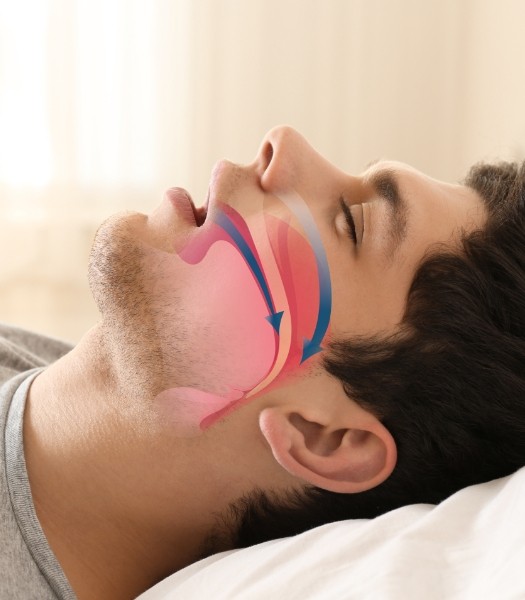
Having sleep apnea means your breathing is repeatedly being halted while you sleep. In most cases, this is because soft tissues in your mouth or throat are partially or fully blocking the airway. The lack of air causes the body to wake up briefly; you may not realize this is happening, but the brief awakening is still enough to completely disrupt the sleep cycle. If you sleep with a partner, they may notice your sleep apnea before you do, as the condition is normally accompanied by snoring.
How We Treat Sleep Apnea
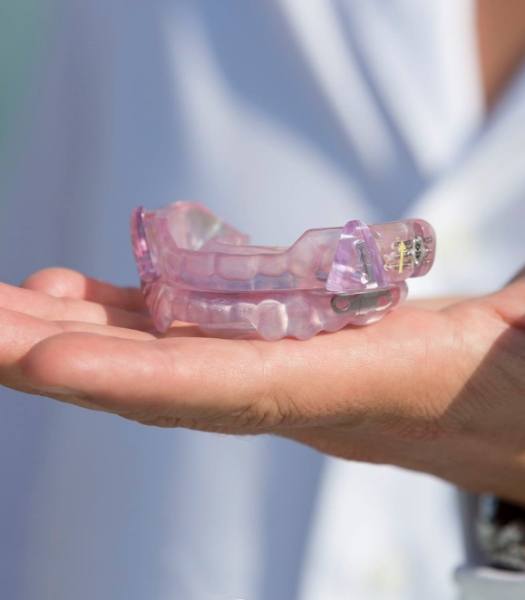
We offer oral appliances for treating sleep apnea. You can consider an oral appliance as an alternative to a noisy, uncomfortable CPAP machine. We can provide TAP and Silent Nite oral appliances that gently shift the lower jaw forward while you’re asleep. This helps open your airway and ensures that it won’t collapse during the night. Both kinds of oral appliances are known to be effective at reducing snoring and other sleep apnea symptoms.
Understanding the Cost of Sleep Apnea Treatment

The cost of sleep apnea treatment can be confusing. You probably have a million questions about what to expect, and don’t worry – our team is here to answer them all! We can also help make your expenses more manageable with financing options like CareCredit. It’s best to discuss the details of your sleep apnea treatment costs during your consultation, but in the meantime, you can read the information below to get a sense of the basics.
Does Dental Insurance Cover the Cost of Sleep Apnea Treatment?

Dental insurance often does not cover the cost of sleep apnea treatment, though this can vary state-by-state and policy-to-policy. At the end of the day, sleep apnea is considered to be a medical condition, making it more likely for your medical insurance provider to offer coverage.
Factors That Affect the Cost of Sleep Apnea Treatment

Certain factors that are unique to each patient can affect the cost of sleep apnea treatment, which is why it’s better to ask for an estimate during your consultation. We’ll have a much more accurate idea of your potential expenses after reviewing your case more thoroughly.
Some patients, for example, benefit from combining their oral appliance therapy with CPAP, which can add to their overall costs. If you still need to arrange for a sleep study, it’s important to keep in mind that this will also impact your budget.
Treat Your Sleep Apnea Now to Improve Your Health
Even if your sleep apnea doesn’t seem like a big deal right now, as you continue to experience symptoms, you become more likely to develop costly health issues like cardiovascular disease, hypertension, and stroke. What’s more is that daytime drowsiness puts you at greater risk of a motor vehicle accident.
Treating your sleep apnea now will undoubtedly improve your health, which can save you money in the long run!
Making Sleep Apnea Treatment More Affordable

We understand that not everyone can rely on insurance benefits to offset their sleep apnea treatment costs. To help make care more affordable and more widely accessible, we work with CareCredit for flexible financing.
When you sign up and are approved for CareCredit, you’ll have access to several monthly payment plans – many of which start at little-to-no interest. If you don’t feel comfortable paying for all of your treatment expenses at once, spreading them out over multiple paychecks can help ease the burden.
Sleep Apnea FAQs
Does Everyone Who Snores Have Sleep Apnea?
Snoring is the sound that occurs when air moves past loose tissues in the upper airway, causing them to vibrate. In some cases, those same tissues can completely block the flow of air, leading to the pauses in breathing that characterize OSA. Hence, snoring and sleep apnea frequently go hand-in-hand.
However, just because these two conditions are often present in the same people does not mean that one always indicates the other. In fact, almost everyone snores from time to time, including healthy sleepers. In most cases, only very loud and frequent snoring is a cause for concern. (Of course, some people with OSA do not snore at all. If you suspect you have a sleep disorder, you should certainly seek medical advice.)
How Long Are Apnea Events or Episodes?
Apneas (pauses in breathing) and hypopneas (episodes of reduced breathing) typically last for 10 seconds or longer. In some cases, they can last for up to 2 minutes. Healthy sleepers have fewer than five of these episodes each hour, whereas severe OSA sufferers may have 30 or more episodes every hour, which can amount to hundreds of breathing disruptions in a single night.
A sleep test can reveal how many apneas and hypopneas you experience as well as their average duration.
Can I Diagnose Sleep Apnea on My Own?
No, obstructive sleep apnea is not self-diagnosable. You need to undergo a sleep test in order to find out for sure whether you have this condition.
However, you can and should monitor the quality of your sleep. If you ever start to suspect that you have a sleep disorder, you should keep track of your symptoms with a pen-and-paper journal or an app on your smart device. You can record things like your bedtimes and waketimes, how you feel upon waking up, and other factors that could have a bearing on the quality of your sleep. Show your sleep journal to your medical provider so they can recommend your next steps.
Will My Sleep Apnea Go Away If I Lose Weight?
In some cases, OSA occurs because extra fat around the neck and abdomen can place pressure on the airway, leading to an increased risk of breathing problems during sleep. If that is true in your case, weight loss might reduce or even eliminate your symptoms. In some cases, a weight reduction of just 5 - 10% or so is enough to lead to improvements.
Of course, weight loss is not guaranteed to improve the quality of your sleep. OSA can be caused by many factors, some of which are unrelated to body weight.