
TMJ Treatment – Los Angeles, CA
Address Frustrating Jaw Pain
The temporomandibular joint (TMJ) is the complex hinge joint that attaches the jawbone to the skull. This structure consists of a number of moving parts that allow the jaw to smoothly move up, down, left, right, forward, and back so that it can efficiently perform the maneuvers of chewing and speaking. Unfortunately, the TMJ can fall out of alignment due to age, injury, or frequent stress, resulting in persistent discomfort. Here’s a quick look at how the team at Rancho Park Dental Group can address frustrating jaw pain with noninvasive and comfortable oral appliances, but please feel free to contact our office in Los Angeles if you’d like to know more.
Why Choose Rancho Park Dental Group for TMJ Treatment?
- Skilled and Experienced Dental Team
- Enjoy Comfortable Jaw Movement
- Flexible Financing Options Available
What Is TMJ Disorder?
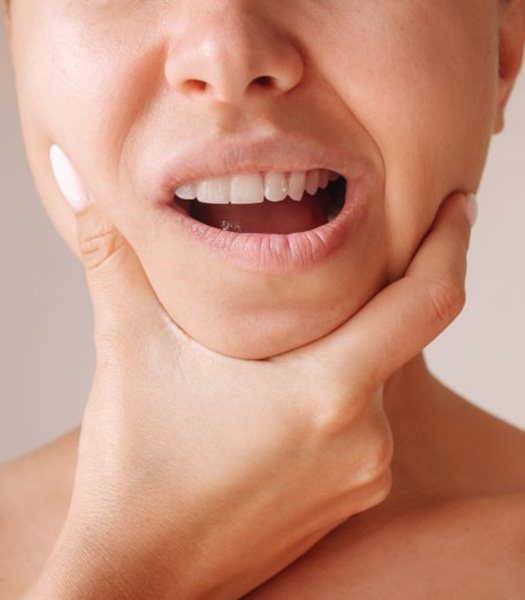
TMJ disorder is a condition of the temporomandibular joints that affects the alignment of its bones, muscles, and connective tissues. If the TMJ becomes fatigued due to overwork or forced out of alignment due to injury or chronic stress, the patient may experience a range of unpleasant symptoms that can make it difficult to live comfortably.
Symptoms of TMJ Disorder

You may notice symptoms of TMJ disorder such as:
- Tenderness or pain in the jaw
- Lockjaw
- Popping or clicking sounds when moving the jaw
- Pain in the neck or back
- Earaches or ringing in the ears, which is also called tinnitus
- Painful chewing
- Pain around the eyes
- Difficulty moving the mouth
- Altered bite alignment
Types of TMJ Treatment

The first step to treating your TMJ disorder is to schedule a consultation at our office in Los Angels. During this appointment, our dentist will examine your jaw and may take X-rays to determine if its joints are alignment properly. If they are not, we may recommend a treatment such as:
Occlusal Splint
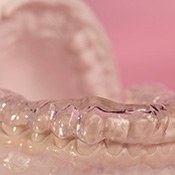
An occlusal splint is a noninvasive oral appliance designed to be worn over the teeth during sleep. The device will protect the teeth from grinding while helping to guide the jaw joint back into alignment, which can reduce and prevent discomfort. Each occlusal splint is totally customized for a good fit based on detailed measurements of the patient’s teeth.
Equilibration/Occlusal Adjustment

In some cases, it’s best to treat TMJ disorder by reshaping the teeth so they fit together better, which is a process called equilibration or occlusal adjustment. In some cases, this can happen due to restorations like dental crowns becoming loose, so the process may involve cementing them back in place or replacing them. Realigning the teeth in this manner can reduce the stress placed on the TMJ.